Summary:
This article outlines 4 key ways to fix winter static in human hair tape in extensions:
- use proper brushing tools and techniques
- adopt moisturizing hair care routines
- use heat styling tools safely
- control indoor/outdoor environmental factors
As winter sets in, many users encounter static issues during winter with tape in hair extensions encounter the same common maintenance challenges? The hair feels frizzy to the touch, puffs up as soon as you brush it, and static electricity pulls the strands into a mess—no matter how you style it, it just doesn’t look polished. Don’t worry! Follow these four professional methods to eliminate static.
1. How do I brush Human Hair Tape in Extensions without causing static? Minimizing mechanical friction during grooming.

Static thrives on friction, and plastic combs are a top trigger for tape in extensions (their non-conductive material traps electric charge). To stop static before it starts:
- Swap for static-resistant tools: Use wooden or ox horn combs—natural materials conduct electricity slowly, preventing charge buildup between the comb, extensions, and natural hair.
- Add a moisture barrier: Before brushing, lightly coat comb teeth with 1-2 drops of hair oil (not the tape bond) or spritz with a fine mist of water. This reduces friction during brushing, avoiding static caused by tangled extension strands.
- Brush gently to protect bonds: Start brushing from the ends of extensions (3-5 inches below the tape) and work upward. Pulling hard not only risks damaging the tape bond but also disrupts the extension’s cuticle, making it more static-prone.
2. Moisturizing Human Hair Tape in Extensions Care: Hydrate to Block Static

Dryness is the root of static in tape in extensions—without enough moisture, strands become electrically charged easily. Optimize your routine to lock in hydration:
- Avoid stripping products: Use alcohol-free, extension-safe moisturizing shampoo and conditioner. Alcohol-based formulas dry out extensions (which can’t replenish moisture on their own) and amplify static.
- Pat, don’t rub: After washing, gently blot extensions with a microfiber towel to remove excess water. Rubbing damages the extension’s cuticle, creating rough surfaces that generate static.
- Seal in moisture: Apply a lightweight, non-greasy hair oil to the mid-lengths and ends of extensions (keep oil 2 inches away from the tape to avoid weakening the bond). The oil forms a protective layer that repels static and locks in hydration. For extra dry extensions, use a hydrating hair mask (Always use extension-specific products to ensure bond longevity if possible) once a week—leave it on for 10 minutes to deeply nourish strands.
3. Heat Tool Use: Prevent Dryness-Induced Static to Human Hair Tape in Extensions
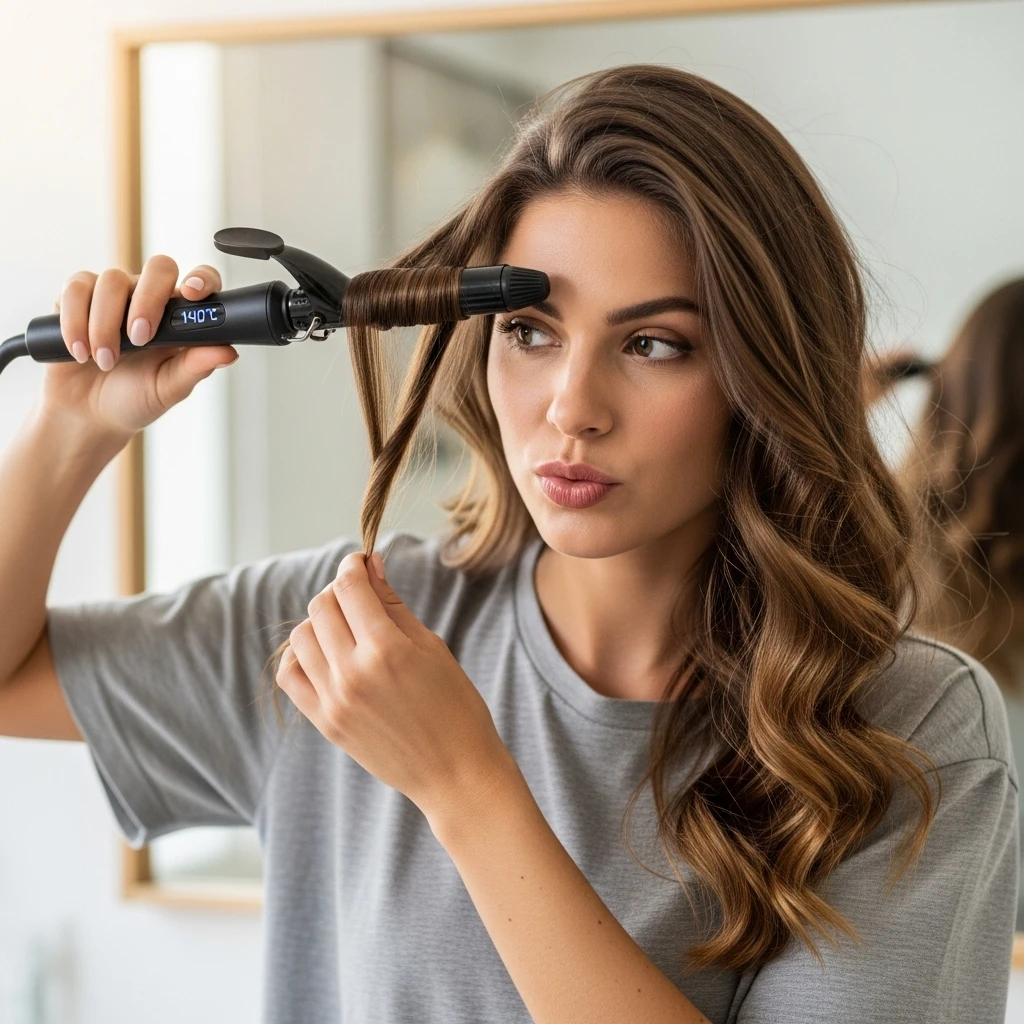
High heat dries out tape in extensions rapidly, breaking down their moisture barrier and making them a highly susceptible to electrostatic charge. Follow these rules to use heat safely:
- Use heat protectant: Before using hair dryers, curling irons, or straighteners, spray a heat protectant (formulated for extensions) evenly over strands. It shields extensions from heat damage and locks in moisture to fend off static.
- Stick to low temperatures: Set heat tools to below 150°C (302°F)—higher temperatures destroy the extension’s moisture content, increasing static risk.Blow-dry smartly: Use the cool or low-temperature setting on your hair dryer. Hold the dryer at least 15 centimeters (6 inches) away from extensions, and attach a diffuser to spread heat evenly. Concentrated heat (e.g., holding the dryer too close) dries extensions too quickly, triggering static.
4. What environmental factors cause Human Hair Tape in Extension frizz? Stop Static Before It Forms
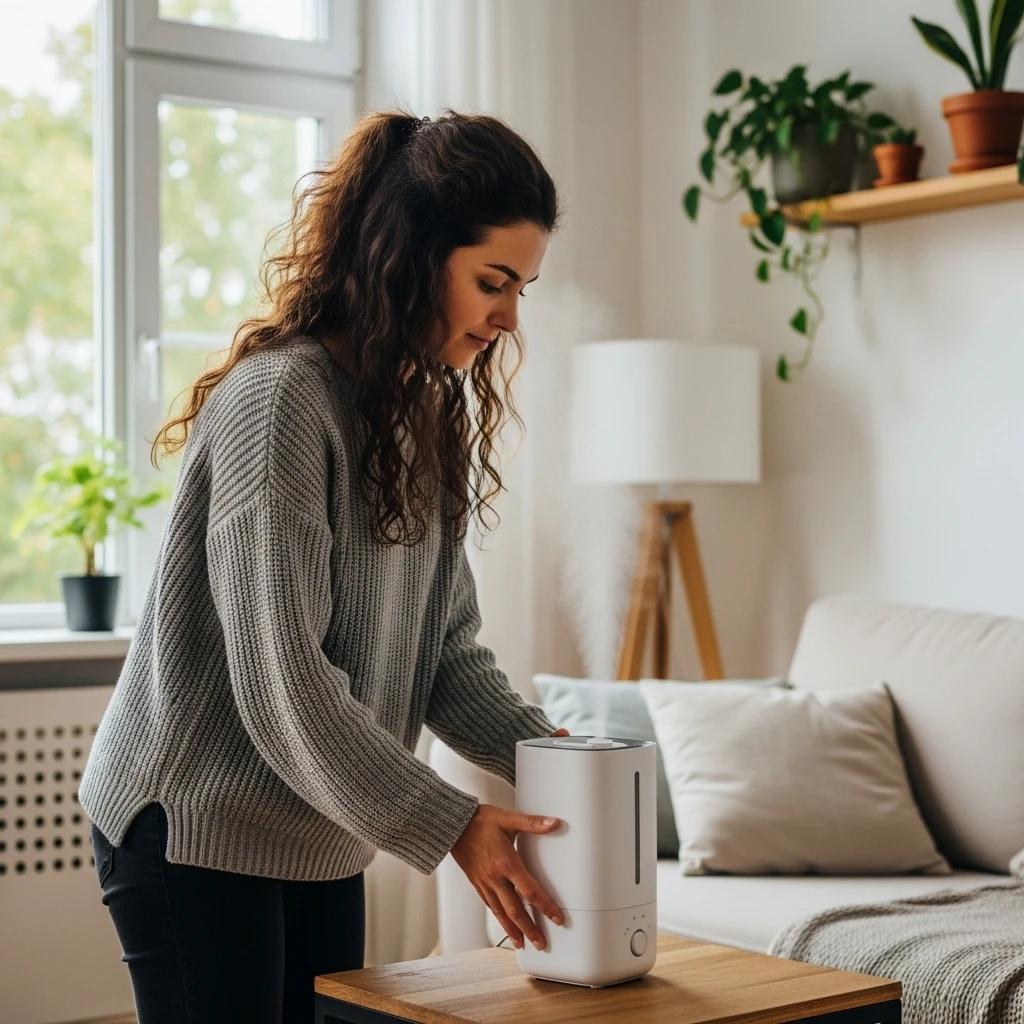
Winter’s dry indoor air is a major static trigger for tape in extensions. Take these steps to control your environment:
- Humidify your space: Place a humidifier in your bedroom or bathroom to keep air humidity between 40%-60%. Moist air is absorbed by extensions, reducing dryness and preventing static buildup.
- Choose static-friendly accessories: When going out, wear a hat with a silk or satin lining. These smooth fabrics create minimal friction with extensions—unlike wool or synthetic hats, which rub against strands and generate static.
- Discharge static before removing hats: Before taking off your hat, gently run your hands over extensions (from roots to ends) to release built-up electric charge. This prevents a sudden “puff up” of static when the hat is removed.
Need help?
We are here for you!
If you need help for your butterfly weft hair extensions, please feel free to contact us anytime. Our dedicated after-sales team is ready to provide you with the best service! 😊


