Summary: This article outlines key factors to decide whether to dye natural hair when to install hair extensions, including color compatibility, styling goals, and hair condition. It also provides practical alternatives for those who prefer not to dye their hair.
| User Scenario | Recommendation | Rationale (Knowledge Point) |
| Visible Color Gap | Dye Required | Eliminates visual “disconnection” between natural hair and wefts. |
| Ombré/Highlight Goal | Dye Required | Natural hair acts as the “transition base” for a seamless flow. |
| Vivid/Fantasy Colors | Dye Required | High-saturation extensions make natural hair look dull if not matched. |
| Perfect Natural Match | No Dye Needed | Preserves hair cuticle integrity and reduces chemical exposure. |
| Volume Enhancement Only | No Dye Needed | No change in style/color; focus is purely on density. |
| Severely Damaged Hair | Dye Forbidden | Chemical stress may lead to hair breakage at the attachment point. |
What Scenarios Need to Dye Natural Hair?
Scenario 1: Big Color Difference Between Natural Hair & Hair Extensions
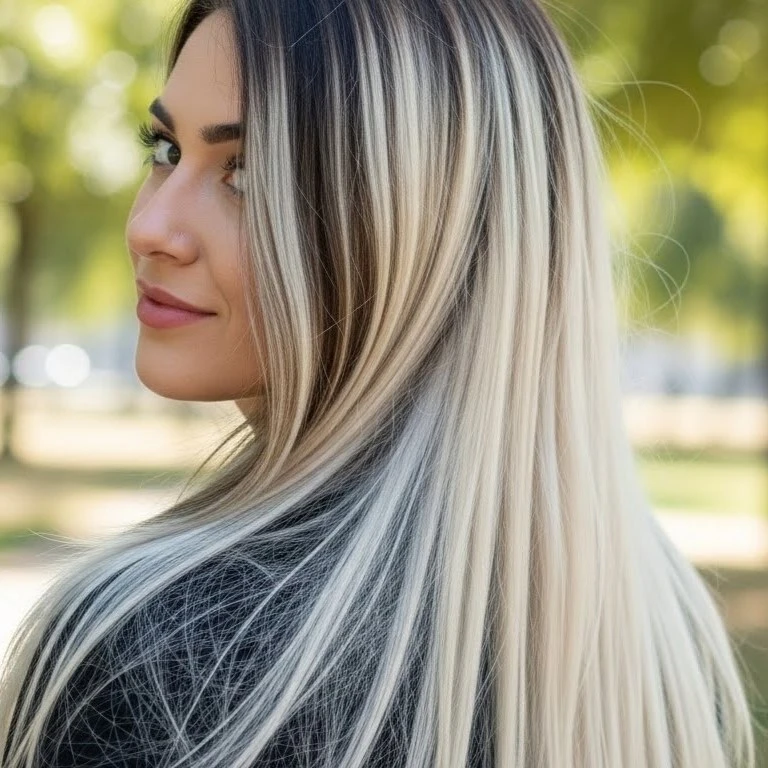
If your natural hair (such as black or dark brown) is a different shade from the light-colored hair extensions you want to use, a distinct color line will show up after installation.
This is especially obvious with application methods that sit close to the scalp, like tape-in1 or pre-bonded2 hair extensions. To achieve a seamless, natural blend, dye your natural hair to a shade that is similar to the extensions before installation.
Scenario 2: For Gradient3/Highlight Hairstyles4
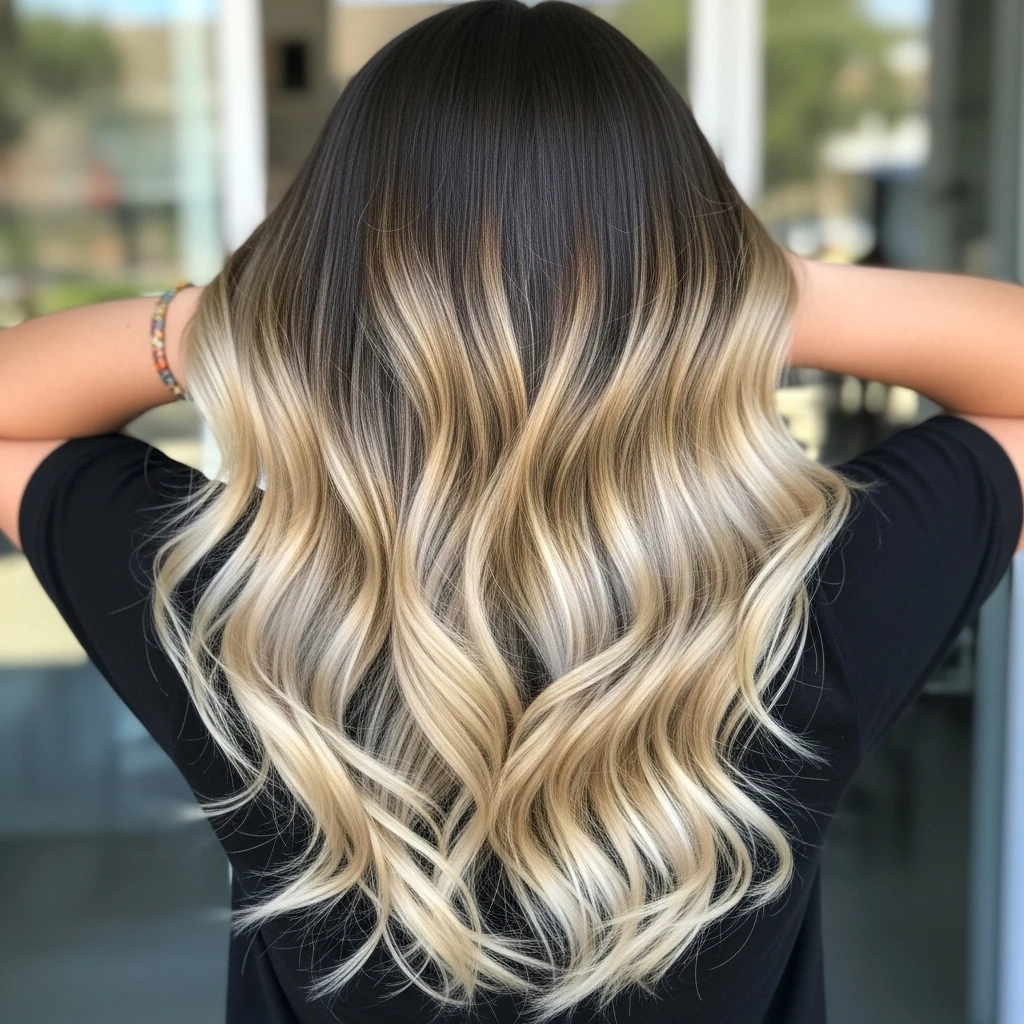
When using hair extensions for artistic hairstyles like gradients, highlights, or chunk coloring, dyeing your natural hair is essential to achieve a seamless blend.
For example, if your natural hair is jet black and you want to use light brown highlighted extensions, first add matching highlights to your natural hair, then adjust the shade of the extensions if needed. This step avoids a disconnected, mismatched look and enhances the layered effect, resulting in a polished, customized hairstyle.
Scenario 3: Extensions Are Special Color or Fade Easily
If your hair extensions come in colors with poor pigment stabilit5y or hues that are hard to match, such as neon or light gold shades. Dye your natural hair to a base color that belongs to the same color family first, before installing the extensions.
For example, if you are using light pink extensions, start by prepping your natural hair with a light linen base color. Then, dye both your natural hair and the extensions to the same shade. This step ensures consistent color throughout and helps your hairstyle last longer.
What Scenarios Don’t Require Dyeing Your Natural Hair?
Scenario 1: Natural Hair & Extensions Match Well
If your natural hair color perfectly matches high-quality, color-consistent human hair extensions, you don’t need to dye your hair at all—you can install the extensions directly for a seamless, natural blend.
Dyeing can damage your hair, and it also wastes time and money. For best results, always check the color of your natural hair and the extensions under natural light first to ensure there are no visible differences.
Scenario 2: Main Goal: Increase Hair Volume (Not Change Style)
If your main purpose for using hair extensions is to add volume, and the extensions’ color is already close to your natural hair (minor discrepancies are acceptable), you don’t need to dye your hair at all.
Opt for extensions that belong to the same color family and have a similar lightness as your natural hair—for example, dark brown extensions to match dark brown natural hair. Install the extensions in the thinner sections of your hair; the added volume will naturally cover any slight color differences, so you can avoid the damage that comes with dyeing.
Scenario 3: Natural Hair Was Dyed Recently or Is Damaged
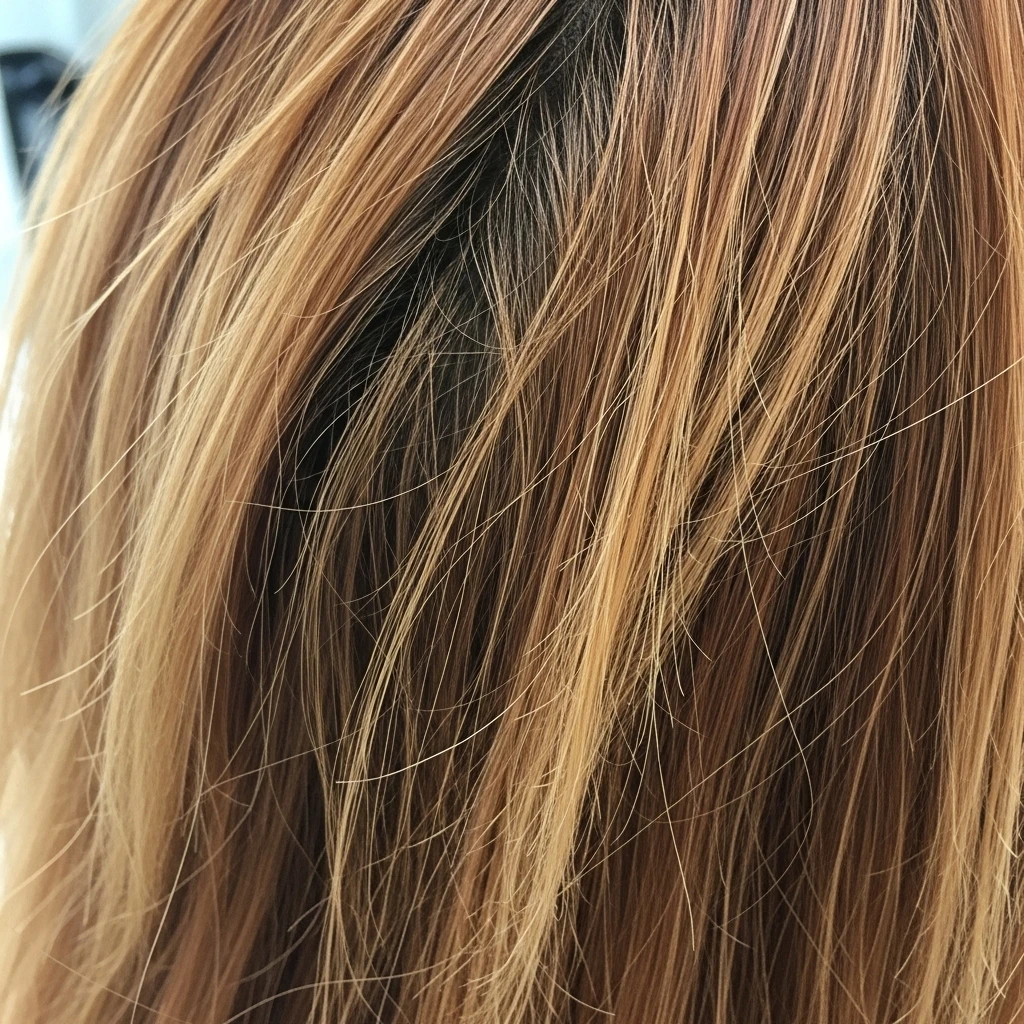
If your natural hair was dyed 1–2 months ago and already matches your hair extensions (with no visible color line), you don’t need to re-dye it.
Frequent dyeing can damage your hair, leading to dryness and split ends6. “A 2025 hair health report found that 71% of 20–45-year-olds experience split ends, with 83% of dyed/bleached hair showing concurrent split ends and dryness” (Lvcao Health, 2025).
This is especially important to keep in mind if your hair is fragile or has been bleached—skip any unnecessary re-dyeing, and either choose extensions that match your current hair color, or repair your hair first before installing the extensions.
What Are the Dye-Free Alternatives for Applying Hair Extensions?
If you are worried about hair damage, dislike the smell of chemical dyes, or simply want to keep your natural hair in its original state, even if there is a slight color difference, you can achieve a natural hair extension effect through the following methods:
Tip 1: Choose Gradient Transition Extension
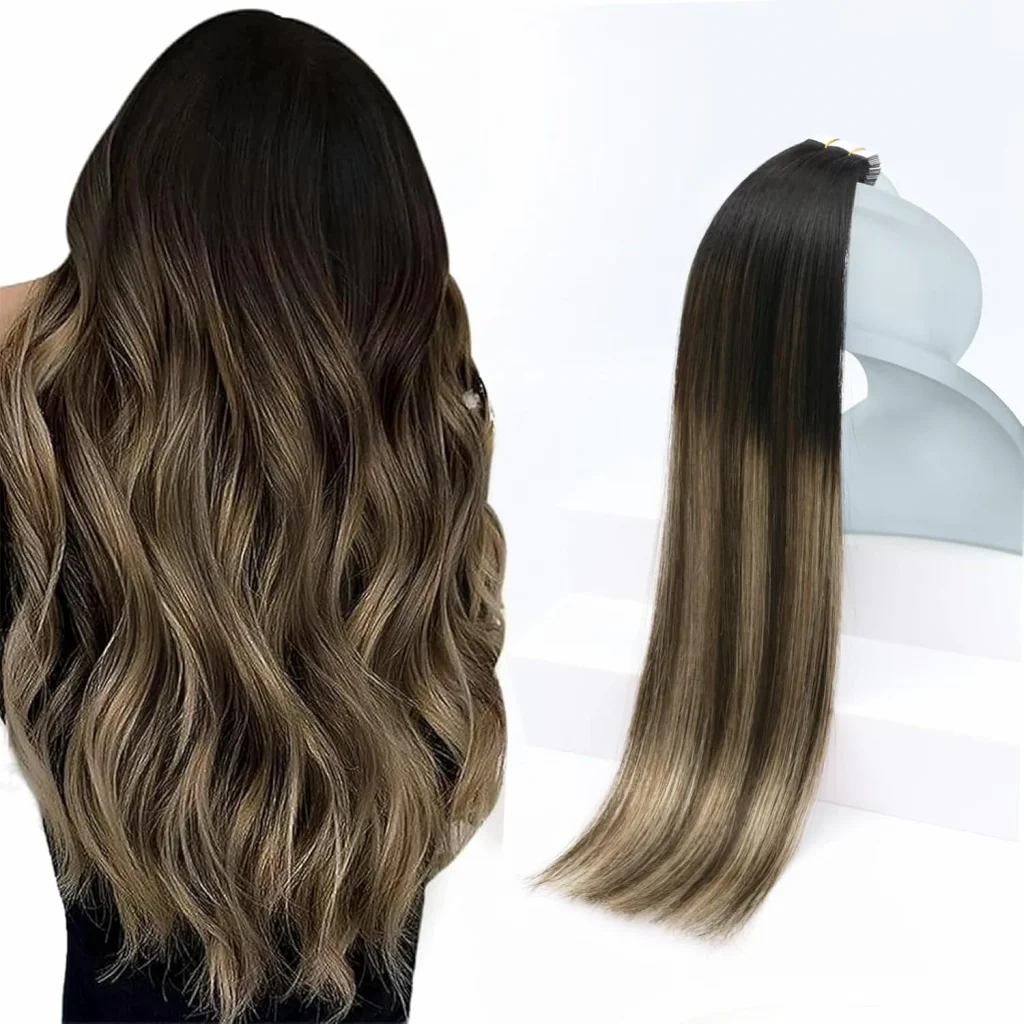
If you don’t want to dye your hair, opt for gradient transition extensions. These extensions feature a root color that matches your natural hair, with a gradual color shift from the mid-lengths to the ends.
For example, if you have black natural hair, choose black-to-brown or black-to-gold gradient extensions. This type of extension creates a seamless color blend, eliminates harsh color lines, and works especially well for lengthening styles. You can install them directly for a natural, stylish look—no dyeing required.
Tip 2: Adjust Installation Position to Hide Color Difference
If there is only a slight color difference between your hair extensions and natural hair (for example, your natural hair is dark brown and the extensions are light brown), you can minimize the visibility of this mismatch by adjusting where you install the extensions. For example:
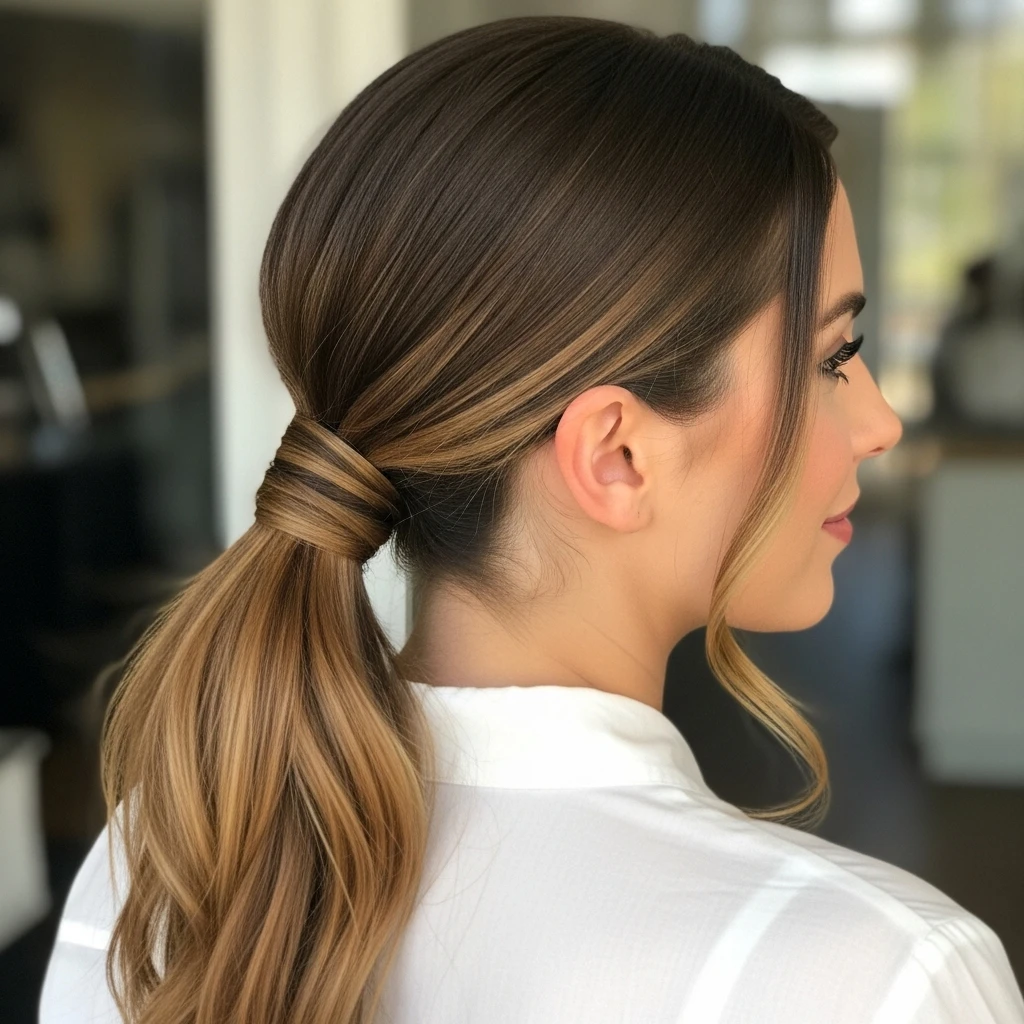
- Avoid installing the extensions in highly visible spots, such as the crown of your head or bangs. Instead, focus on placing them in more concealed areas like behind your ears, the mid-to-lower sections of your hair, or the back of your head.
- Ask your hairstylist to weave and overlap the extensions with your natural hair during installation, rather than arranging them in neat, uniform rows. The added volume and interlacing of the two hair types will naturally cover up minor color differences.
- After installation, style your hair into a low ponytail, braid, bun, or similar updo. These hairstyles create a wrapping and layered effect that effectively hides the color transition points along the hair seams.
Need help?
We are here for you!
If you have any questions about our products, please feel free to contact us anytime. Our dedicated after-sales team is ready to provide you with the best service! 😊

- Tape in: Pre-taped wefts of hair that are “sandwiched” between sections of a client’s natural hair using adhesive. ↩︎
- Pre bonded: Individual hair strands attached to your natural hair using small bonds (e.g., adhesives or beads).. ↩︎
- Gradient Hairstyles: It is a haircut where the shortest strands are trimmed gradually with precision to avoid demarcation between different-length strands, creating natural movement and volume. ↩︎
- Highlight Hairstyles: It is a hair color process where specific sections of hair are lightened to 2-3 shades lighter than the natural base color to add dimension, brightness and movement. ↩︎
- Pigment Stabilityrefers to the capacity of a material to retain its colour, despite environmental changes, is known as colour stability. ↩︎
- Split ends refer to the fraying of a hair strand into two or more fragments caused by excessive stress on the follicle and damage to the oldest part of the hair shaft. ↩︎


