Summary: This article outlines key factors to decide whether to dye natural hair when to install hair extensions, including color compatibility, styling goals, and hair condition. It also provides practical alternatives for those who prefer not to dye their hair.
3 Scenarios to Dye Natural Hair
1. Big Color Difference Between Natural Hair & Hair Extensions
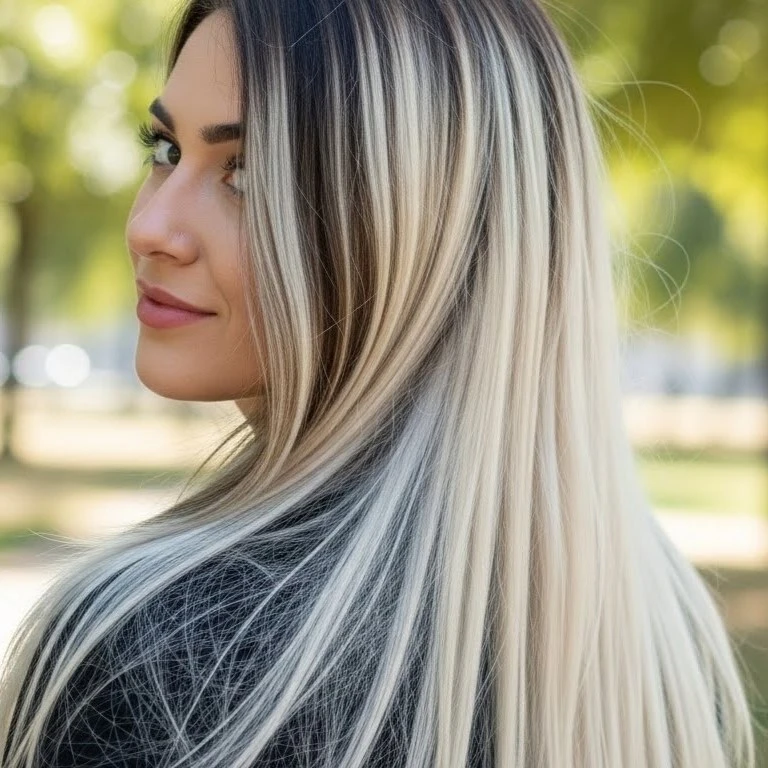
If your natural hair (e.g., black/dark brown) and desired light-colored hair extensions differ in shade, a noticeable “color line” will appear when you install hair extensions—especially scalp-close methods like tape-ins or pre-bonded ones. Dye your natural hair to a shade near the extensions first for seamless, natural-looking fusion.
2. For Gradient/Highlight Hairstyles
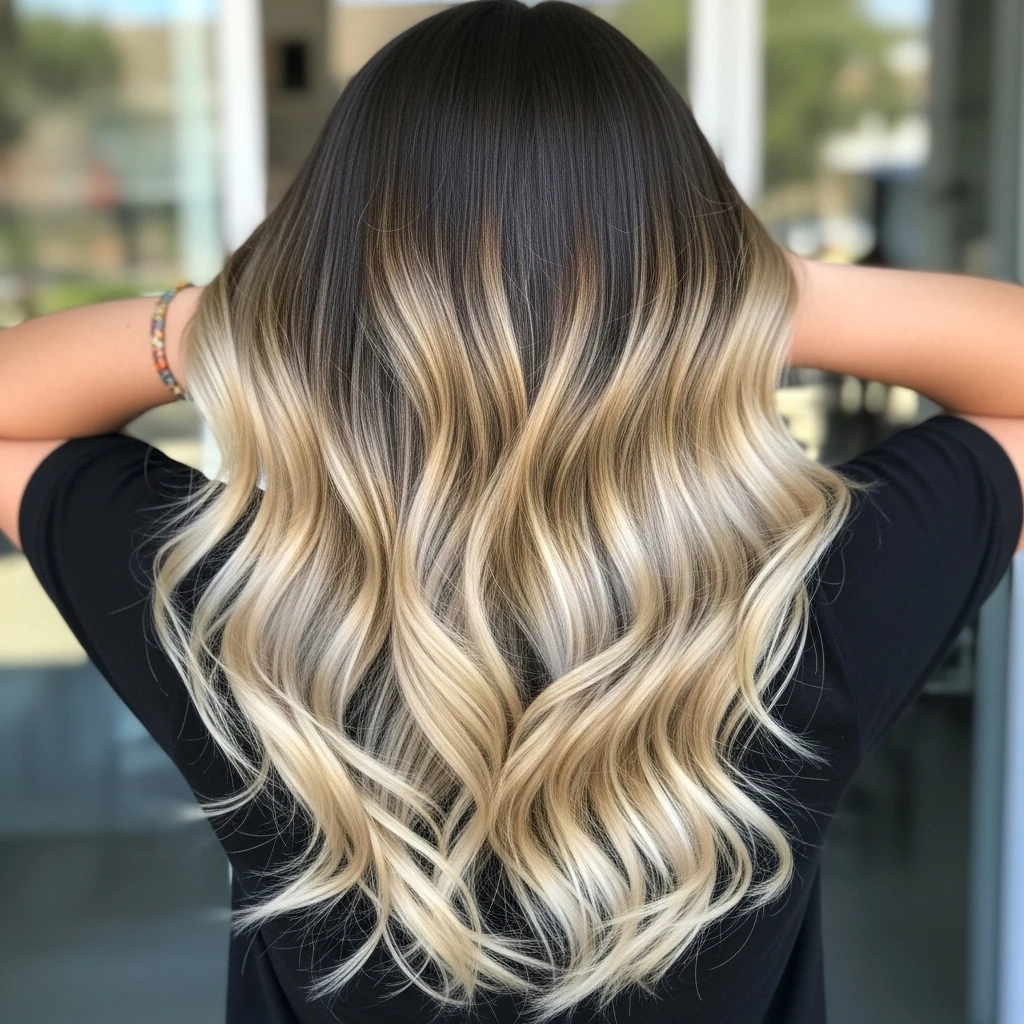
For artistic hairstyles like gradient, highlighting, or chunk coloring, dyeing natural hair is a must to install hair extensions seamlessly.
E.g., if your hair is pure black and you want light brown highlighted extensions, first highlight some natural hair to match, then tweak the extensions—this prevents a disjointed look and boosts layering for a personalized, refined style.
3. Extensions Are Special Color or Fade Easily
If hair extensions (e.g., neon, light gold) have poor pigment stability or hard-to-match colors, dye natural hair to a same-color-family base before installing hair extensions. E.g., prep natural hair with light linen for light pink extensions, then dye both uniformly—ensuring color consistency and longer-lasting style.
3 Scenarios Not to Dye Natural Hair
1. Natural Hair & Extensions Match Well
If your natural hair’s color perfectly matches high-quality, color-consistent human hair extensions, no extra dyeing is needed—directly install hair extensions for natural fusion. Dyeing damages hair and wastes time/cost; check colors under natural light first for no obvious difference.
2. Main Goal: Increase Hair Volume (Not Change Style)
If you get hair extensions mainly to add volume and the extensions’ color is close to your natural hair (minor deviations okay), no dyeing is needed. Choose same-color-family, similar-lightness extensions (e.g., dark brown for dark brown natural hair) and install hair extensions on thin areas—volume will cover slight color differences without dyeing damage.
3. Natural Hair Was Dyed Recently or Is Damaged
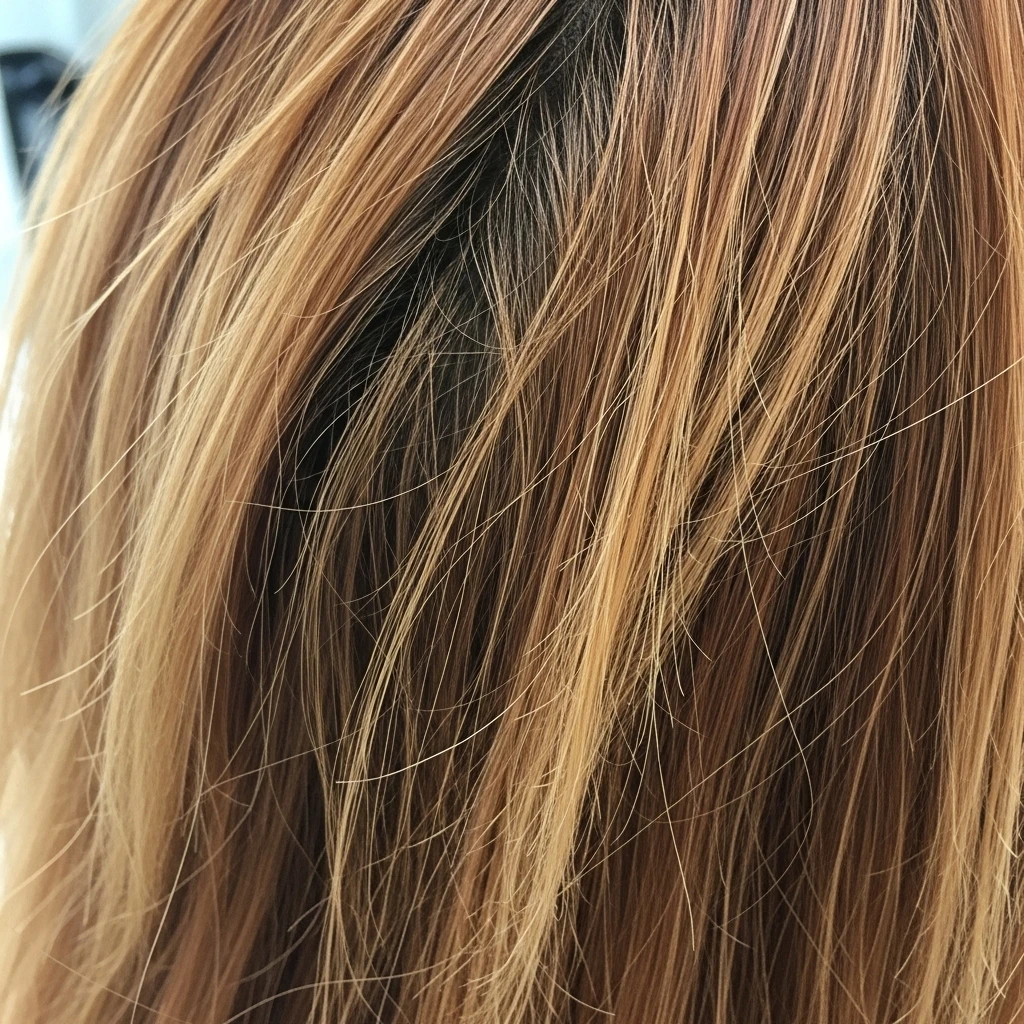
If your natural hair was dyed 1-2 months ago and matches hair extensions (no obvious color line), no re-dyeing is needed. Frequent dyeing damages hair (dryness, split ends); avoid extra dyeing for fragile/bleached hair—choose matching extensions or repair hair first before you install hair extensions.
Alternatives for Those Who Don’t Want to Dye to Install Hair Extensions
If you are worried about hair damage, dislike the smell of chemical dyes, or simply want to keep your natural hair in its original state, even if there is a slight color difference, you can achieve a natural hair extension effect through the following methods:
1. Choose Gradient Transition Extension
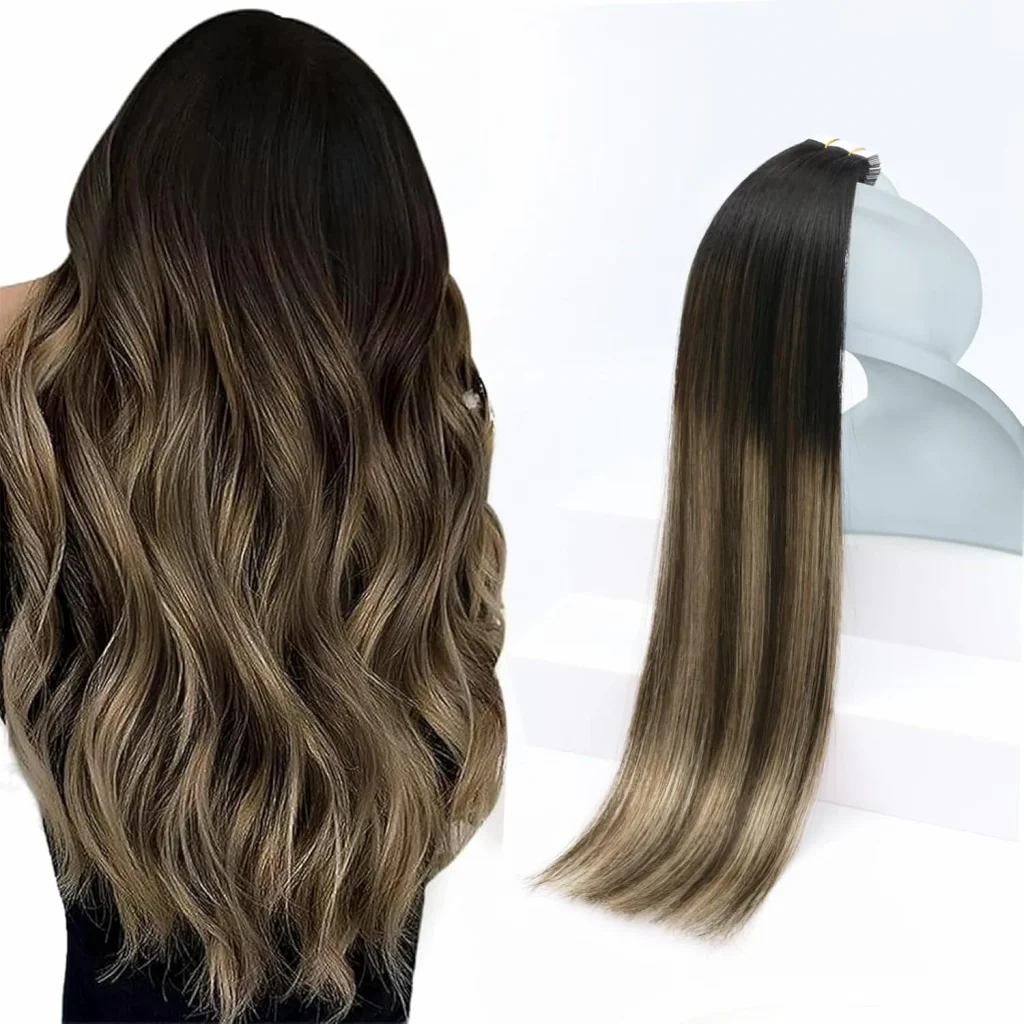
For those who don’t want to dye hair, gradient transition extensions (e.g., black-brown/black-gold for black natural hair) have root colors matching natural hair and gradual mid-to-end color shifts. They enable seamless color connection, avoid stiff lines, and suit lengthening styles—install hair extensions for a natural stylish look without dyeing.
2. Adjust Installation Position to Hide Color Difference
If there is a slight color difference between the hair extensions and the natural hair (e.g., the natural hair is darker brown while the extensions are lighter brown), you can reduce the visibility of the color difference by adjusting the installation position. For example:
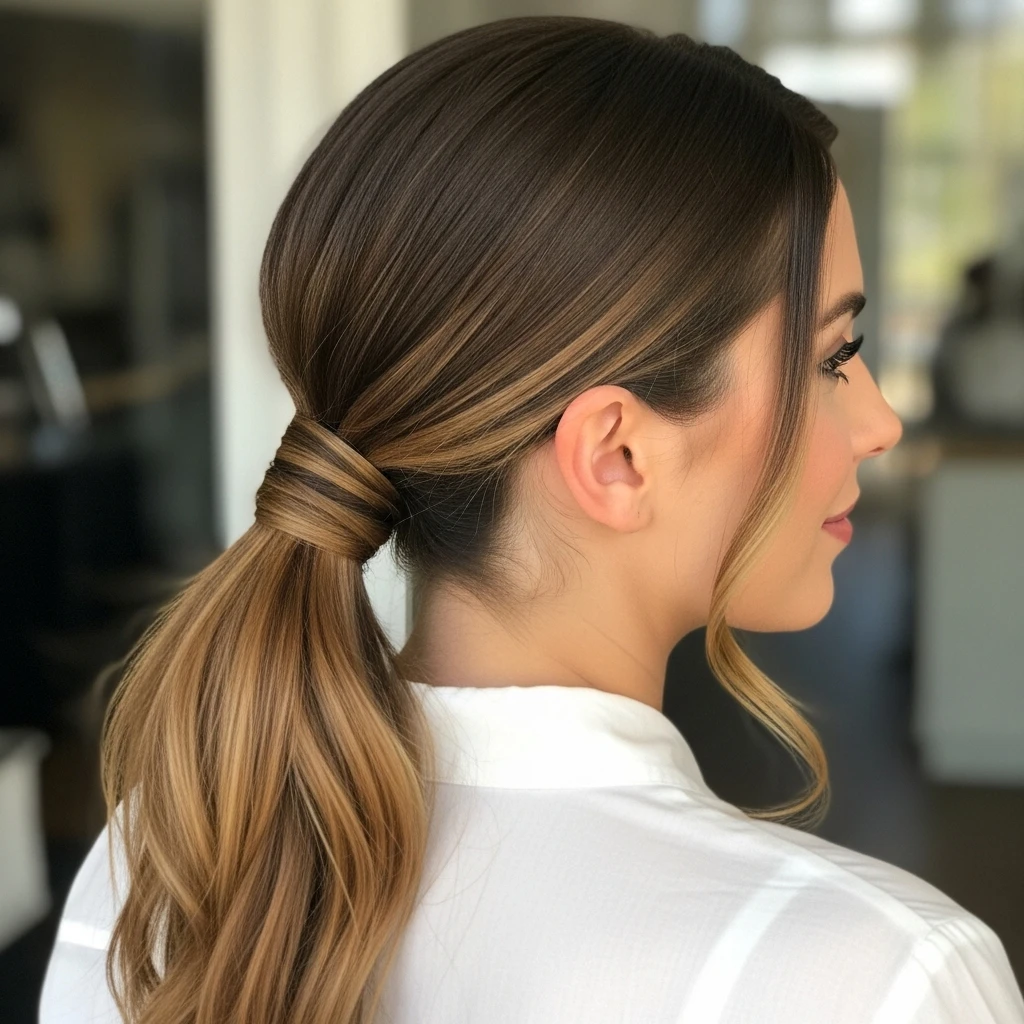
- Avoid installing the extensions in prominent areas such as the top of the head or bangs; instead, prioritize installing them in less visible areas like behind the ears, the middle and lower sections of the hair, or the back of the head.
- Ask the hairstylist to cross and overlap the hair extensions with the natural hair during installation, rather than arranging them neatly. Use the volume and interlacing of the hair to cover the color difference.
- After installation, style your hair into a low ponytail, braid, bun, or other hairstyles. Utilize the wrapping and stacking effects of the hair to hide the color connection points at the hair seams.
Need help?
We are here for you!
If you have any questions about our products, please feel free to contact us anytime. Our dedicated after-sales team is ready to provide you with the best service! 😊


