Summary:When it comes to hair extensions, color is everything. But not all colored extensions are created the same way. The technique used to apply color—whether hand-painted, rooted, or blended—determines how natural, dimensional, and long-lasting your look will be.In this guide, we explore the most popular Sunny Hair Color Techniques used in today’s extension industry. You will learn how each technique works, its advantages and disadvantages, and why your extensions might look slightly different from the product photos.
Why Sunny Hair Color Techniques Matter
Great hair extensions don’t just add length—they add life. Sunny Hair Color Techniques focus on creating dimension, movement, and a natural blend between your bio hair and the wefts. Whether you want a sun-kissed balayage or a bold ombre statement, understanding these techniques helps you choose the right set with confidence.
![Sunny hair color techniques 同名1[1]](https://support.sunnyextensions.com/wp-content/uploads/2026/05/Sunny_Hair_Color_Techniques_同名11-1024x259.webp)
Balayage – The Art of Hand-Painted Color
What it is:
Balayage comes from the French word balayer meaning “to sweep.” Color is hand-painted onto the hair, creating a graduated, natural-looking blend from darker roots to lighter ends.
Among all Sunny Hair Color Techniques, balayage is the most popular for achieving a soft, low-maintenance look.
Why It’s Great
- Extremely natural and sun-kissed appearance
- Grows out softly without harsh root lines
- Works on dark brown, light brown, and blonde bases
What to Watch For
- Hand-painted nature means slight variation between wefts (normal, not a defect)
- Not ideal for sharp, dramatic color blocks
- May look too subtle if your natural hair has high contrast
Our Balayage Shades:
![Sunny hair color techniques 2[1]](https://support.sunnyextensions.com/wp-content/uploads/2026/05/Sunny_Hair_Color_Techniques_21-1024x1024.webp)
![Sunny hair color techniques[1]](https://support.sunnyextensions.com/wp-content/uploads/2026/05/Sunny_Hair_Color_Techniques1-1024x1024.webp)
![Sunny hair color techniques 3[1]](https://support.sunnyextensions.com/wp-content/uploads/2026/05/Sunny_Hair_Color_Techniques_31-1024x1024.webp)
Ombre – Bold Two-Tone Transition
What it is:
Ombre features a two-tone style where hair transitions from one color at the roots to a distinctly different color at the ends. Unlike balayage, ombre typically has a more defined transition line.
This Sunny Hair Color Technique is perfect for clients who want a bold, fashion-forward statement.
Why It’s Great
- Dramatic and eye-catching
- Classic ombre (dark roots to light ends) is very forgiving with regrowth
- Reverse ombre (light to dark) offers an edgy alternative
What to Watch For
- Transition line can look harsh if not blended well
- Less versatile than balayage for everyday natural looks
- Ends may appear lighter but still require full care
Our Ombre Shade
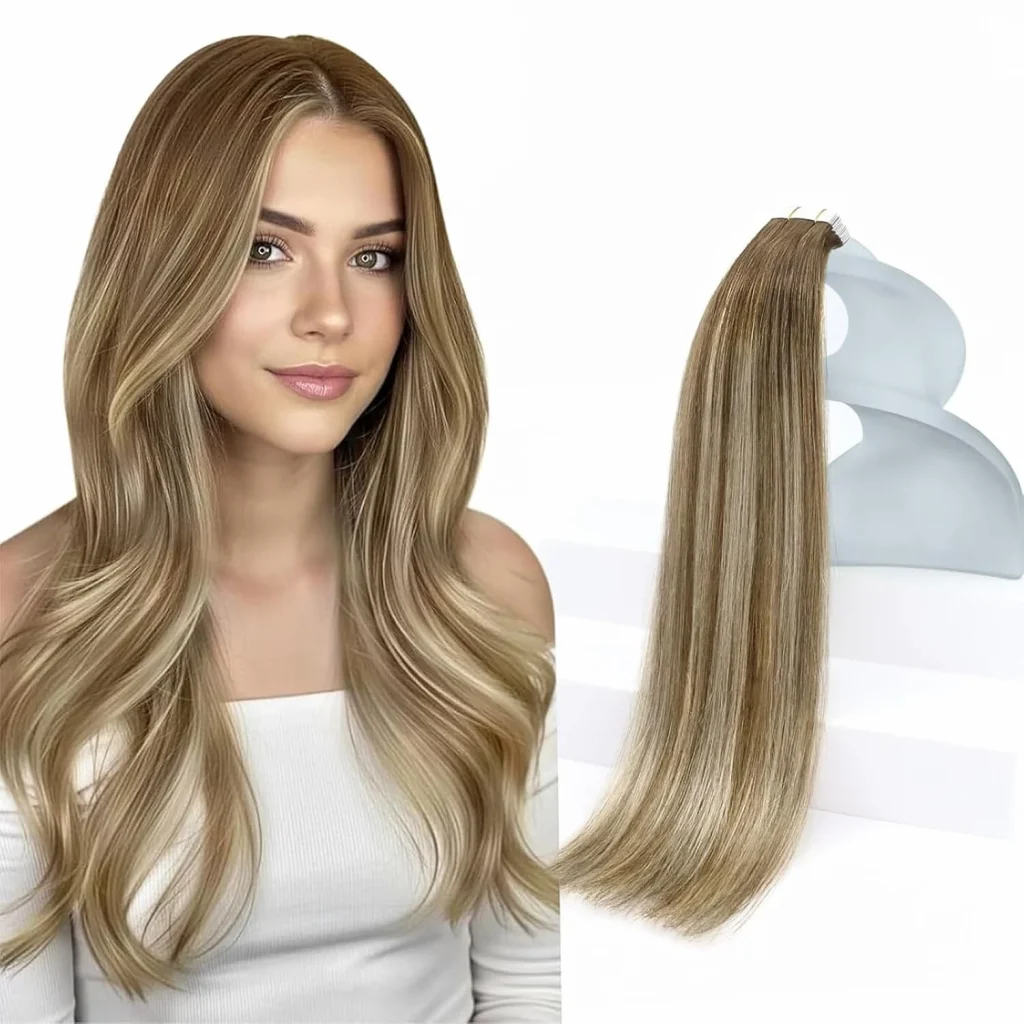
Rooted Extensions – The Grown-Out Salon Look
What it is:
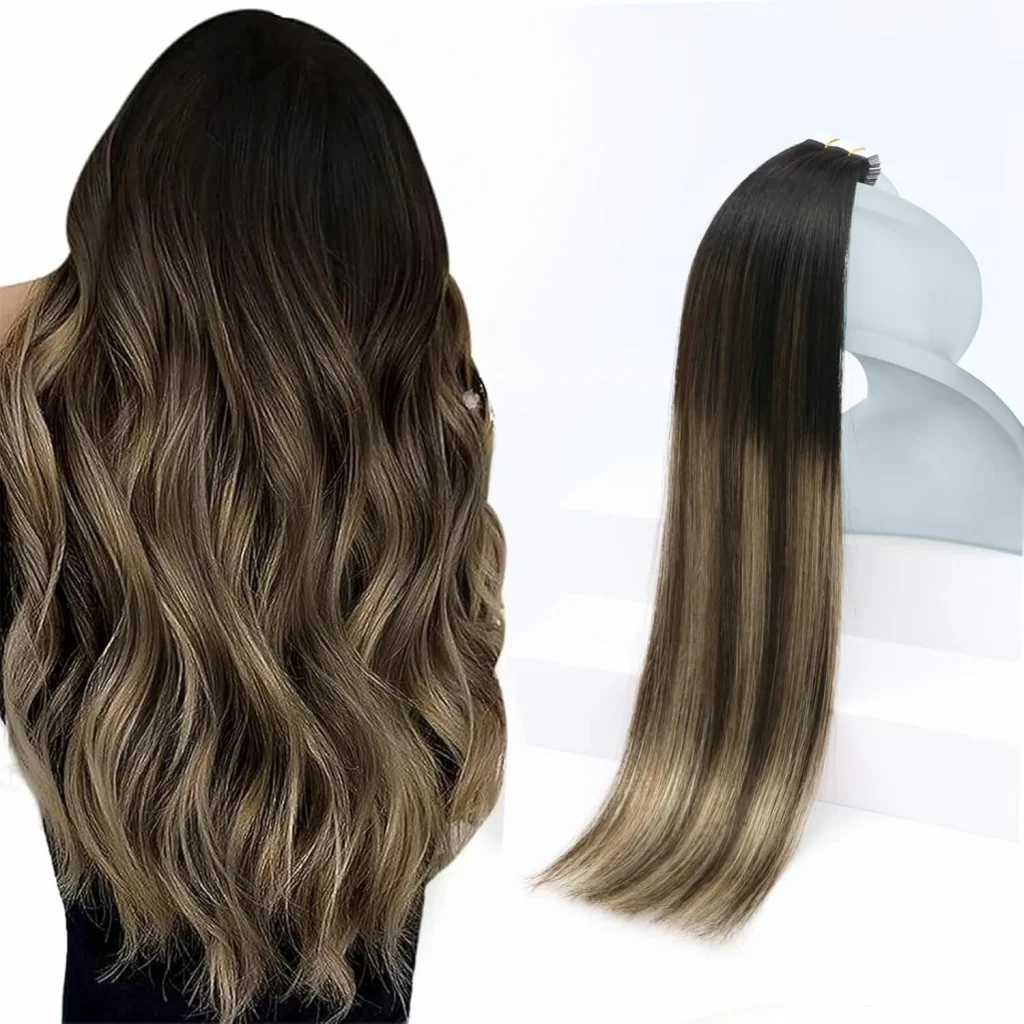
Rooted extensions have a darker color at the top (root area) that gradually blends into a lighter shade. This mimics what your hair looks like 2–4 weeks after a salon visit.
Among Sunny Hair Color Techniques, rooted extensions are the best choice for eliminating the harsh line where the weft meets your scalp.
Why It’s Great
- No visible line between your scalp and the extension
- Blends beautifully with naturally grown-out roots
- Highly recommended for first-time extension wearers
What to Watch For
- Not for those who always want freshly dyed, uniform color
- May appear too dark if your natural roots are very light
- Works best on mid-length to long hair
Our Rooted Shade
Piano Blend – Alternating Colors for Maximum Dimension
What it is:
Piano blend is a color technique alternating two colors throughout the weft, creating horizontal stripes of alternating shades—like the black and white keys on a piano.
This Sunny Hair Color Technique is best for adding dimension and helping extensions blend with highlighted or multi-tonal natural hair.
Why It’s Great
- Adds incredible depth and movement
- Blends perfectly with multi-tonal natural hair
- Avoids the “solid wig” look of single-color wefts
What to Watch For
- Less common; harder to find in budget extensions
- Can look busy if the two colors contrast too sharply
- Slightly more visible when hair is parted or styled up
![Sunny hair color techniques 6[1]](https://support.sunnyextensions.com/wp-content/uploads/2026/05/Sunny_Hair_Color_Techniques_61-1024x1024.webp)
![Sunny hair color techniques 7[1]](https://support.sunnyextensions.com/wp-content/uploads/2026/05/Sunny_Hair_Color_Techniques_71-1024x1024.webp)
Highlights & Lowlights – Salon-Quality Dimension
What they are
- Highlights: strands lighter than your base color → add brightness and dimension
- Lowlights: strands darker than your base color → add depth and richness
Why They’re Great
- Mimics real salon-colored hair better than any single process
- Allows you to match natural hair that has multiple tones
- Lowlights add visual weight and richness
What to Watch For
- Too many highlights can look stripey or fake
- Lowlights that are too dark can look muddy
- Requires intentional placement, not random distribution
Important: Color Variation & Lighting
Even with the best Sunny Hair Color Techniques, you may notice slight differences between the product photo and what arrives at your door. Here’s why.
Why Extensions Look Different Under Different Light
- Natural daylight reveals true undertones (gold, ash, red, neutral)
- Warm indoor light makes blonde look more golden and brown look richer
- Cool fluorescent light can make ash tones look grey and jet black look blueish
- Your screen (iPhone, Samsung, laptop) is not calibrated—the same image looks different on different devices


